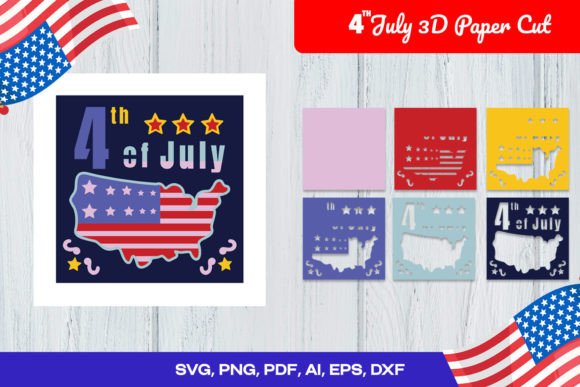
Celebrate Independence with 3D Paper Cut Art
The Fourth of July is more than just a date on the calendar; it is a visual spectacle of red, white, and blue that defines American summer culture. For creators, designers, and hobbyists, this holiday presents a unique opportunity to move beyond flat banners and standard printed decorations. Enter the 4th July 3D Paper Cut - 3D Shadow Box, a medium that transforms traditional patriotic imagery into tangible, layered experiences. This art form combines the precision of digital design with the tactile satisfaction of physical crafting, offering a versatile solution for anyone looking to elevate their holiday decor or product offerings.
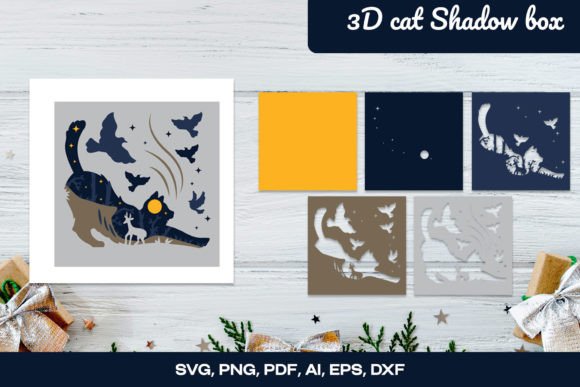
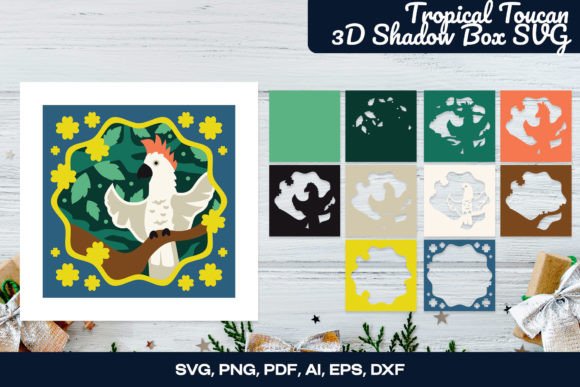
At its core, a 3D shadow box relies on the interplay of light and depth. By stacking multiple layers of paper, each cut with specific details, artists create an illusion of three-dimensionality that draws the eye inward. When applied to patriotic themes, this technique allows for a sophisticated reinterpretation of classic symbols like the Stars and Stripes, eagles, fireworks, and historic landmarks. Unlike a simple poster, a shadow box invites the viewer to explore the nuances of the design, noticing how the foreground elements cast subtle shadows on the background layers. This depth adds a level of elegance and intrigue that flat graphics simply cannot achieve.
Unlocking Creative Possibilities with Digital Files
One of the most empowering aspects of modern papercraft is the availability of high-quality digital assets. Whether you are a seasoned vector artist or a beginner with a hobbyist cutting machine, starting with professional files such as SVG, PNG, PDF, AI, EPS, and DXF streamlines the entire workflow. These formats ensure that your designs remain crisp and scalable, regardless of whether you are creating a small greeting card or a large wall installation.
Having access to these file types means you are not limited to a single execution style. You can import an SVG into design software to adjust colors, swap out specific elements, or resize the composition to fit a custom frame. For those using electronic cutting machines like Cricut or Silhouette, the SVG and DXF files provide the precise cut paths needed to execute complex layering without manual error. Meanwhile, the PDF and PNG options serve well for those who prefer printing templates to cut by hand or for digital mockups used in marketing materials.
The versatility of these files encourages experimentation. A designer might take a standard 4th July 3D Paper Cut - 3D National Patriotic Day template and alter the color palette to match a specific brand identity or interior design scheme. Perhaps a muted, vintage tone replaces the vibrant primary colors for a rustic farmhouse aesthetic, or metallic gold foil paper is substituted for the standard white layers to add a touch of luxury. The digital foundation provides the structure, but the creator supplies the vision.
Practical Applications for Diverse Audiences
The utility of 3D paper cut art extends far beyond personal home decoration. Different professionals and enthusiasts can adapt these designs to meet specific goals and audience needs.
- Small Business Owners and Makers: For Etsy sellers and craft fair vendors, finished shadow boxes are high-value items. They can be sold as ready-to-hang decor or as DIY kits containing pre-cut layers and assembly instructions. The perceived value of a hand-assembled 3D piece is significantly higher than that of a mass-produced print.
- Educators and Workshop Leaders: Teachers can use simplified versions of these designs for history or art classes. Assembling a layered flag or a scene of a historical event helps students understand spatial relationships and historical context in a hands-on manner.
- Marketers and Brand Strategists: Brands looking to stand out during the holiday season can commission custom 3D paper cut visuals for social media campaigns or window displays. The texture and depth photograph exceptionally well, creating engaging content that stops the scroll.
- Interior Designers: Custom framing of 3D paper art offers a unique way to fill awkward wall spaces in residential or commercial projects. It adds texture to a room without the heaviness of sculpture or the ubiquity of canvas prints.
Strategies for Professional Results
Creating a stunning shadow box requires more than just stacking paper; it demands attention to detail and organization. To ensure your final product looks polished and professional, consider the following practical approaches:
Material Selection Matters: The weight and texture of your paper dictate the success of the project. Cardstock between 65lb and 80lb is often ideal; it is sturdy enough to hold its shape without warping but thin enough to allow for intricate cutting. Using acid-free archival paper ensures that your 4th July 3D Paper Cut - 3D Shadow Box remains vibrant and does not yellow over time, making it a lasting keepsake.
Mastering Depth and Spacing: The "3D" effect is achieved through the spacing between layers. Using foam adhesive squares or rolled paper tabs allows you to control the distance between each stratum. Varying this distance can create a sense of perspective; elements intended to be closer to the viewer should have more space beneath them, casting deeper shadows. Consistency in spacing within a single layer is crucial for a clean, organized look.
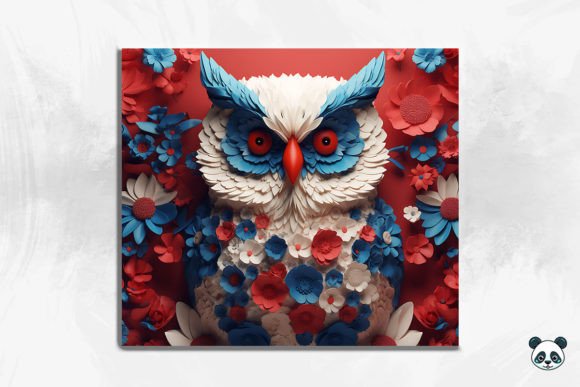
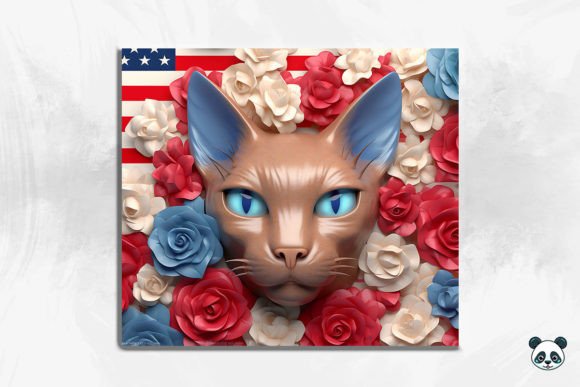
Color Theory and Contrast: While red, white, and blue are the obvious choices, effective use of contrast is key. Ensure that the foreground elements stand out clearly against the background. If you are using dark blue for the sky, consider a lighter shade for the stars or use a textured paper to differentiate the layers visually even before considering the physical depth.
Adapting Designs for Various Contexts
The beauty of the 4th July 3D Paper Cut - 3D National Patriotic Day concept lies in its adaptability. A design meant for a grand entrance hall might feature bold, large-scale elements with dramatic lighting. In contrast, a design for a desktop display or a gift box lid might focus on finer details and a more intimate scale.
Digital creators can also leverage these designs for virtual contexts. High-resolution renders of 3D paper cuts make excellent assets for website headers, email newsletters, and digital invitations. By simulating the lighting and shadows of a physical shadow box in a digital environment, you can convey the same sense of craftsmanship to an online audience.
Furthermore, these designs serve as excellent starting points for mixed media projects. Artists might incorporate fabric, wood veneers, or LED lighting strips behind the paper layers to create illuminated night lights or dynamic installations. The rigid structure of the shadow box frame supports these additions, allowing for innovation beyond pure paper.
Fueling Your Creative Journey
Whether you are looking to launch a new product line, decorate your home for the upcoming holiday, or simply explore a new artistic medium, 3D paper cut art offers a rewarding blend of technical skill and creative expression. It bridges the gap between digital convenience and analog charm. By utilizing comprehensive file sets including SVG, PNG, PDF, AI, EPS, and DXF, you empower yourself to customize every aspect of the artwork to suit your unique style.
The process of building a shadow box is meditative and satisfying. Each layer added brings the image to life, transforming a flat concept into a captivating reality. As you experiment with different papers, spacing techniques, and framing options, you will discover that the possibilities are nearly endless. This medium invites you to push boundaries, whether you are adhering strictly to traditional patriotic motifs or reimagining them through a modern, abstract lens.
Ultimately, the goal is to create something that resonates. A well-crafted 3D shadow box tells a story through its layers, inviting viewers to pause and appreciate the depth of the design. It is a testament to the power of creativity when grounded in practical execution. So, gather your tools, select your files, and start layering. The journey from a digital file to a mesmerizing physical piece is one of the most fulfilling experiences a creator can undertake.
If you find inspiration in these ideas and enjoy exploring the intersection of digital design and physical craft, remember that sharing your work helps build a community of creators. Your unique interpretation of these designs adds value to the broader artistic landscape. Keep experimenting, stay organized, and let your creativity lead the way in producing work that is both visually striking and deeply meaningful.